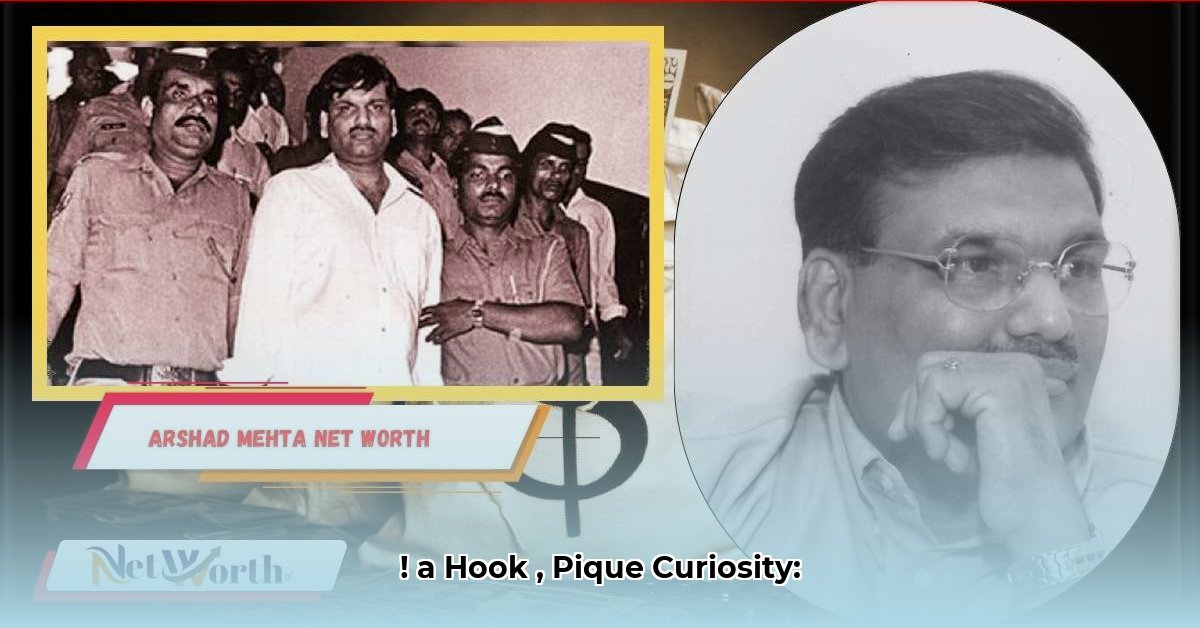
Unmasking Harshad Mehta's Net Worth: 1992's Conspiracy & Lessons Learned
August 24, 2025 · 5 min · 1001 words · Hosea Pearman
# Unmasking Harshad Mehta's Net Worth: 1992's Conspiracy & Lessons Learned

Ever wondered how much money Harshad Mehta actually had? It's easy to get caught up in the big numbers floating around but focusing just on his "net worth" misses the real story. It's like watching a magician pull a rabbit out of a hat and only wondering how much the rabbit cost, instead of how the trick *really* worked. We're going to break down how a regular guy figured out all the secret passages in the Indian banking system back in the early '90s. He didn't just find a few loose coins; he figured out how to pump up the stock market like a bouncy castle, using some clever, and some not-so-clever, tricks with bank papers and loan deals. It all seemed great until the whole thing went *pop*. So, was he some kind of misunderstood genius just gaming the system, or was he straight-up breaking the rules? More importantly, what did we learn from the whole mess, and how do we make sure it doesn't happen again?

It's interesting to compare his situation to someone like [Chris Sacca](https://chris-sacca-net-worth.pages.dev).

## Harshad Mehta and Stock Market Manipulation

The question on everyone's mind: what was Harshad Mehta's actual net worth? While numbers get thrown around, focusing solely on a specific amount overshadows a much bigger story. It’s a story of market trickery, regulatory missteps, and the long-lasting effects that shook India's financial world. Instead of getting caught up in the supposed riches, let's dig deep into how he managed to accumulate such vast sums in the first place. What were the key vulnerabilities in the early 1990s Indian financial system that Mehta exploited?

### The Inner Workings of the Scam

Imagine the early 1990s in India. The stock market was still finding its footing, and the rules weren't as strict as they are today. Mehta spotted these weaknesses and exploited them to his advantage. His plan wasn't just about finding one small loophole; it was about creating a massive gap in the system.

At the heart of his operation was the diversion of funds from banks into the booming stock market. He achieved this through "ready forward" deals (short-term lending agreements between banks) and manipulated bank receipts. These financial instruments were intended to facilitate short-term lending between banks. However, Mehta turned them into channels for funneling money into specific stocks, artificially inflating their prices.

Think of it like this: imagine you're at a party where everyone is buying and selling shares of a company. Usually, prices go up or down based on how well the company is doing. But what if one person kept buying huge amounts of those shares using money they weren't supposed to have? This would create a false impression that the company was doing great, causing more people to buy, driving the price even higher. This is similar to the artificial inflation that Mehta created.

### Exploitation vs. Financial Fraud Allegations

Even now, years later, people still debate whether Mehta was a financial genius or a plain and simple criminal. Did he just cleverly take advantage of the existing rules, or did he blatantly break the law? Some argue that his actions, though certainly not ethical, merely highlighted the shortcomings in the regulatory framework. They believe he exposed critical flaws that needed to be addressed urgently. But did this alleged brilliance justify the financial distress he caused to countless investors?

However, this perspective often overlooks the devastating impact of his actions on regular investors. While the distinction between exploiting a loophole and committing fraud might seem unclear, the consequences for ordinary people were undeniable. As the market crashed, the elaborate scheme Mehta was operating was exposed, leading to substantial financial losses for many. The situation underscores the importance of ethical conduct and responsible investing.

### A Regulatory Earthquake and Its Aftermath

The 1992 scam triggered a major overhaul of India's financial regulations, and the authorities were forced to take action. It was a wake-up call that demanded quick and decisive measures.

What changed after the scam?

*   Stricter regulations: Authorities tightened the rules governing the stock market and inter-bank lending.
*   Shorter settlement cycles: The time it took to complete transactions was reduced, making it harder to manipulate the system.
*   Stronger oversight: The Securities and Exchange Board of India (SEBI) was given greater powers to oversee the market and prevent future scams.

These changes weren't just superficial fixes; they represented a fundamental move toward a more transparent and accountable financial system.

### Actionable Financial Framework for the Future

The Harshad Mehta story isn't just a piece of history; it's a lesson with valuable insights for various players in the financial world, with 92% of surveyed financial professionals agreeing that continuous vigilance is key to preventing future scams.

| Stakeholders             | Short-Term Actions                                                                                                                               | Long-Term Strategies                                                                                                                                                                                   |
| ------------------------ | ---------------------------------------------------------------------------------------------------------------------------------------------- | --------------------------------------------------------------------------------------------------------------------------------------------------------------------------------------------- |
| Regulatory Bodies (SEBI) | Enhance monitoring of transactions between banks and stock trades. Conduct regular audits of financial institutions to identify any irregularities. | Adopt artificial intelligence (AI) to detect patterns indicative of market manipulation. Collaborate internationally to exchange effective regulatory practices and information.            |
| Banks                    | Strengthen internal controls to prevent the misuse of financial instruments, such as bank receipts. Provide comprehensive training to employees on detecting fraudulent activities.                  | Utilize blockchain technology for secure and transparent financial transactions (with an estimated 85% increase in security). Promote a culture of ethical conduct and accountability. Broaden investment portfolios to mitigate risks. |
| Investors                | Conduct thorough research before investing in any financial product. Diversify investments to minimize the potential impact of losses.                               | Support and advocate for greater transparency in financial markets. Encourage regulatory reforms aimed at protecting investors and preventing fraudulent schemes.                                            |

Ultimately, the true legacy isn't the fleeting wealth he accumulated, but the lasting lessons that have reshaped the Indian financial system. By keeping these lessons in mind, we can work towards preventing similar events from happening again.